Invisible yet essential, compressed air plays a central role in the operation of our mills. It is used to clean filter sleeves (by blowing air to dislodge accumulated flour), power pneumatic equipment, and loosen flour during bulk loading so that it flows easily. In short, it’s everywhere… but its use isn’t without impact. Producing compressed air consumes electricity. And every leak represents not only a loss of efficiency but also an avoidable source of greenhouse gas emissions. That’s why our sites are actively committed to leak detection.
Following the example of the Verneuil-l’Étang plant, which launched the initiative in 2023 by installing a shut-off valve and conducting a leak repair campaign—saving nearly 6 tons of CO₂e per year (article HERE)—the Brienne-le-Château site launched a large-scale operation in 2024.
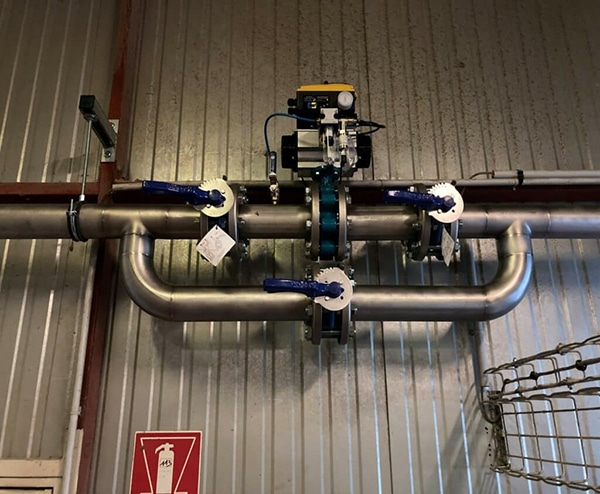
Shut-off valve in Verneuil
A revealing audit to focus efforts
In October 2024, a specialized audit was conducted on the site’s compressed air network. The result: 52 leaks were identified, representing an estimated total loss of 2,300,000 m³ of air per year. An invisible waste, but very real.
To address this, an action plan was launched, prioritizing the most significant leaks. The strategy? To repair them gradually, in coordination with the production teams, as some repairs require the temporary shutdown of production lines.
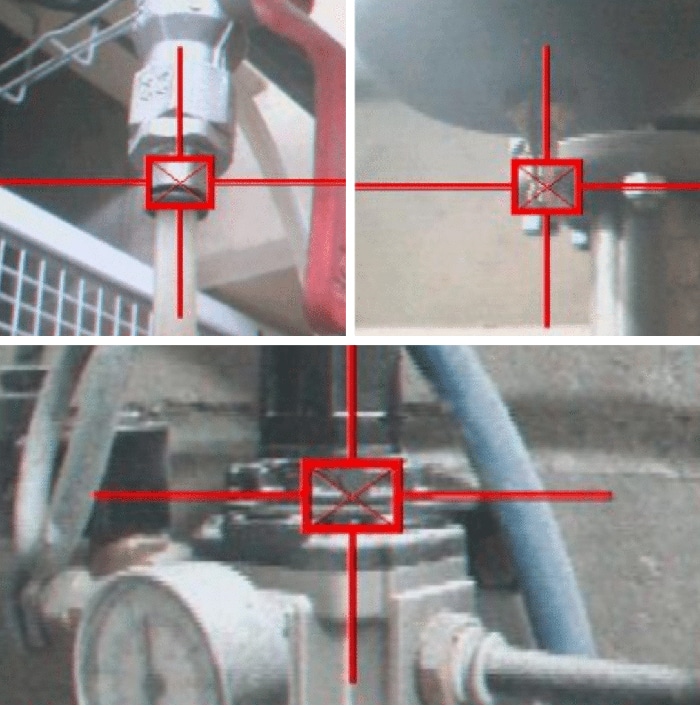
Screenshots from the report on compressed air leaks at the Verneuil site,
similar to those at Brienne-Le-Château.
Results are already visible
To date, the six largest leaks have been repaired, resulting in a 20% reduction in energy consumption related to compressed air production: from 81,000 kWh in October 2024 to 64,000 kWh in April 2025, across the site’s two compressors.
The goal is clear: to repair all leaks by the end of 2025. This initiative is fully aligned with our climate strategy, “Link by GMP”, with a twofold benefit: reducing our energy consumption and GHG emissions, while improving the overall performance of our equipment.
A collective dynamic
The initiatives at Verneuil and Brienne reflect a broader trend across all sites. At Verneuil, the first “leak hunt” campaign demonstrated that targeted technical measures can yield significant savings. At Brienne, this approach is being pursued with great ambition.
Other plants, such as Surgères, are already achieving exemplary performance in compressed air management.
These initiatives, led by several mills, demonstrate a collective commitment—already well established—to more efficient and responsible energy management.