

Verneuil conserves its air to grind with flair!

Share this article

Since spring 2024, the teams at the Verneuil mill, working alongside Benoît Huvet—Technical Director and head of the energy component of Grands Moulins de Paris’s climate roadmap—have been committed to reducing the site’s compressed air consumption. The goal is to optimize energy use and reduce the site’s environmental impact.

According to the French Environment and Energy Management Agency (ADEME), compressed air accounts for 10% of industrial electricity consumption in the European Union. Depending on the type of industry, this can account for up to 30% of total electricity consumption.
For this reason, the site’s maintenance and production teams have been working for several months to implement a series of concrete measures on the compressed air network.


“We are committed to operational excellence and industrial cost optimization, while maintaining the highest product quality and minimizing our environmental impact.”

"Compressed air production has been identified as a significant source of energy consumption at our Verneuil mill, with several areas where potential savings can be made."

Hugues Favier, Regional Industrial Director (Verneuil, Paris-Gennevilliers, Briare)

Our Key Initiatives

The teams focused on two key areas of action to control and reduce energy consumption in the site’s compressed air systems.

1. Reduce our overconsumption

Until now, compressed air production has been running continuously, that is, 24/7.

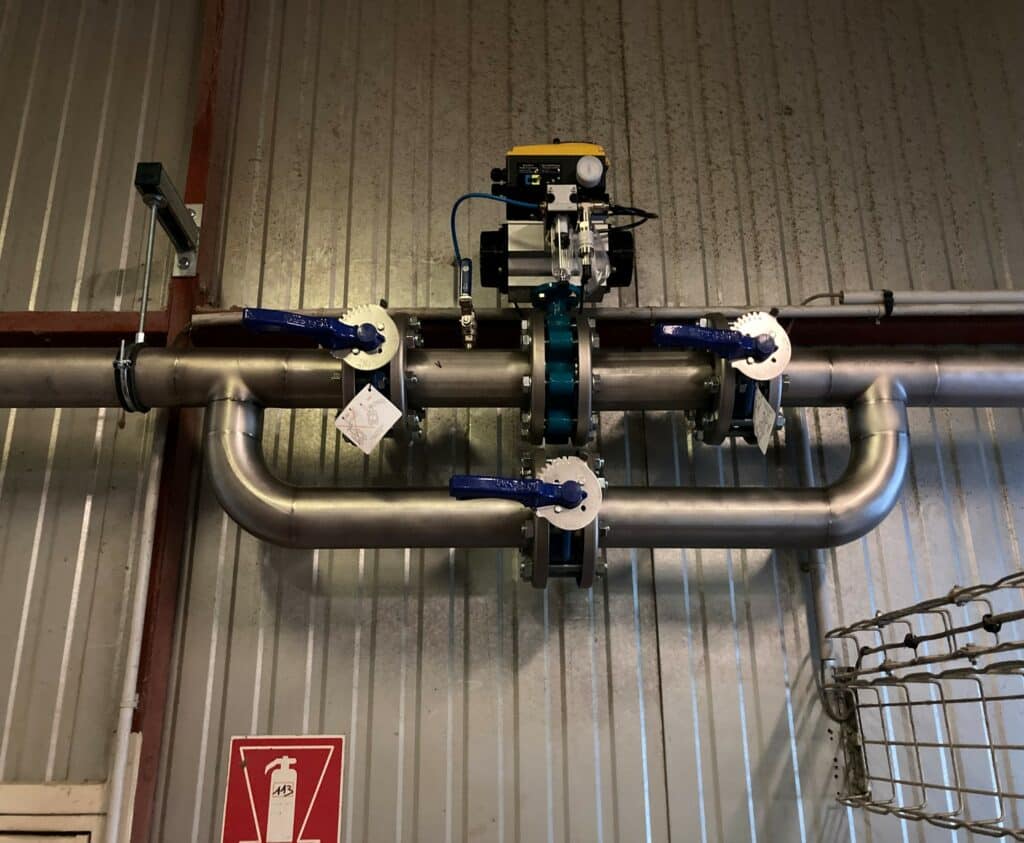
A shut-off valve has been installed to isolate the pressurized system when it is not in use.It activates automatically at set times, but can be opened by an operator if necessary.

Shut-off valve in Verneuil

This measure alonehas reduced the site's electricity consumption by50% on weekends when the valve is closed.

This saves 5.8 tCO2eq(tonnesof CO2 equivalent), which is equivalent to the GHG emissions generated by the manufacture of 30 laptops.

2. Eliminate air leaks

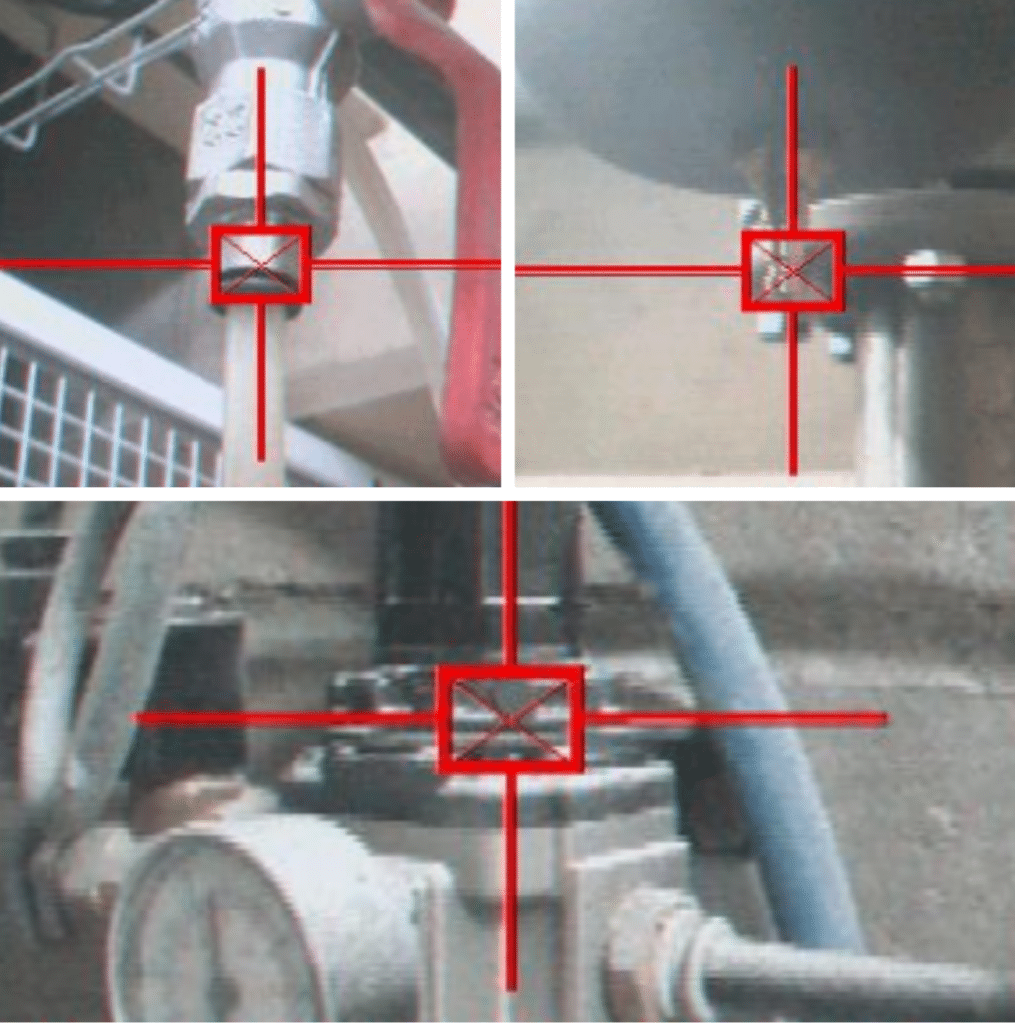
Compressed air systems deteriorate over time, and the resulting losses can become significant. The site’s maintenance department has conducted an audit to detect leaks, and a repair campaign is currently underway.To date, 50% of the leaks have already been repaired.

Repairing all the leaks—a project currently underway—will reduce GHG emissions by an amount equivalent to more than eight round-trip flights between Paris and New York!

Screenshots from the report on compressed air leaks at the Reims site, similar to those at Verneuil.

3. Reduce production pressure to go further…

Once the leaks have been repaired, it will be worth reducing the set pressure of the compressed air system.Reducing the compressed air production pressure by 1 bar results in a 7% reduction in the system’s electricity consumption(source: ENGIE’s portal for professionals).

These initiatives undertaken by our Verneuil mill are part of our approach Link by GMP and demonstrate the importance of controlling our compressed air consumption.This is a key energy-saving measure that can be applied in all our mills

Similar audits have been conducted in Gennevilliers and Reims, with repairs either underway or planned.


Together, let’s help build a more sustainable milling industry. #CollectivelyCommitted”

Would you like to learn more about our CSR initiatives? Check out our digital brochure (at the bottom of the page)

Share this article

You might be interested in these articles