Analysis by Sylvain Jaouen, Buyer of milling wheat for Grands Moulins de Paris
Affected by heavy rainfall in the fall and spring drought, the 2020 crop year has seen a significant slowdown following last year’s record harvest. According to estimates from the Ministry of Agriculture as of July 1, 2020, soft wheat production is expected to reach 31.3 million tons (Mt), the second-lowest harvest since 2004 after the catastrophic one in 2016. The average yield is estimated at 7.1 tons per hectare (a decrease of 0.8 t/ha compared to 2019) and masks very significant disparities caused by climatic constraints, soil quality (soil depth and temperatures), different crop rotations, and technical management practices.
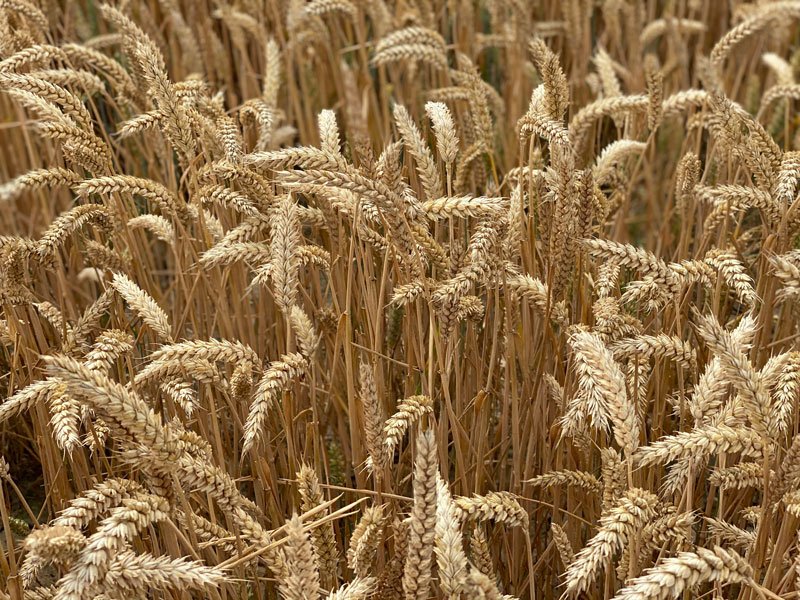
A very disappointing harvest for our farmers, for whom the harvest is proceeding at a leisurely pace, with the harvest front moving northward from the south, an unusually late harvest in the southwest (delayed by late-spring rains), and a few pauses to allow the grains to reach full maturity (three days in the Île-de-France region last week) without any impact on quality. As of July 20, harvesting operations, which are nearly complete south of the Île-de-France region, are now taking place north of a line stretching from the Mayenne to the Marne (30% complete), with better yield results, as expected, though with lower protein levels.
The most significant drops in production are therefore in Aquitaine, Poitou-Charentes, and the Pays de la Loire (ranging from 50% to 30% lower). This season could turn into a nightmare for some grain farmers if the very strong global harvest were to put downward pressure on French prices, although the risk is limited given the low volumes available for export this year.
For millers, the new season is also shaping up to be a technical challenge. Reassured by historically low mycotoxin levels, the bulk of the work will involve allocating homogeneous batches of milling wheat from a harvest that is highly heterogeneous in terms of both protein content (ranging from 10.5% to 13% against a target of 11.5%) and physical grain quality. Some doubts and concerns still remain regarding the supply of specialty and niche wheat varieties, which can only be resolved once the final inventory of wheat silos is completed. Some wheat varieties have performed very well under cultivation, while others have been a major disappointment. Nevertheless, initial baking tests reveal fairly good results, which are encouraging in terms of dough rheology and bread development. Mills have therefore begun to confidently incorporate the new wheat varieties into various grades of flour. Once again, the partnership between our mills and the leading grain storage organizations in each region will be crucial to the success of this season.