In 2015, the Federation of Bakery Companies (FEB) launched an initial study on the purchasing behaviors and expectations of bread consumers. Five years later, the FEB sought to update the findings and identify changes in consumption patterns.
In 2021, 2,125 bread consumers responded to the survey, representing a variety of profiles:
• Young adults: ages 20–30, in charge of their own purchases, living alone or with a partner
• Families: ages 35–60, households with at least one child under the age of 18
• Seniors: 60 and older, households without children, working adults, and retirees
The objective of this study was:
• Identify changes in purchasing and consumer behavior
• Confirm or update the consumer segmentation
• Determine whether expectations and perceptions of bread have changed
According to the study, bread is still consumed daily, with a preference for the traditional baguette. However, “100% French,” “organic,” and locally sourced breads are gaining popularity. Quality remains the top priority, with artisanal production being particularly important to older consumers, while younger consumers prioritize adaptation to new consumption trends (gluten-free, unique offerings, click & collect, Too Good To Go, etc.). Analysis.
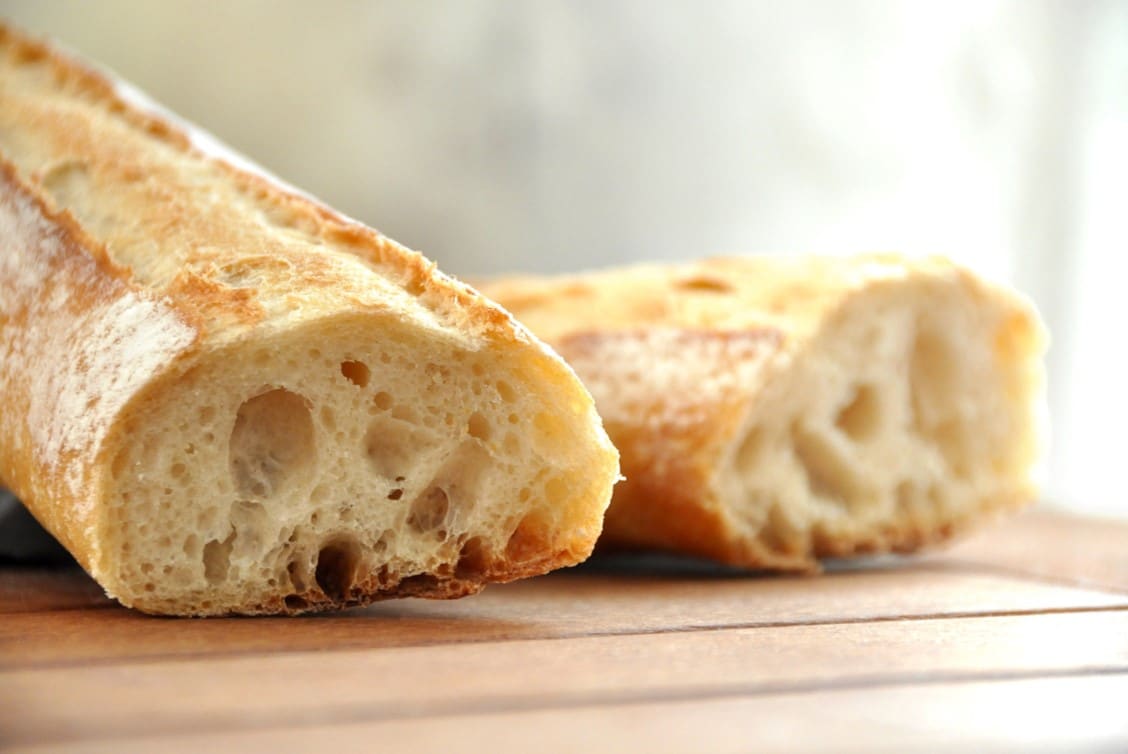
Bread and the French: Consumption Patterns
In 2021, the majority of French people reported eating bread everyday (82%), or even “several times a day” (52%).
Men are confirmed to be the heaviest consumers:
• On weekdays: an estimated 121 grams per day vs. 91 grams for women
• On weekends: an estimated 130 grams per day vs. 104 grams for women
27% of the population feels they are eating more bread than before. The main reasons are the discovery of new types of bread, a wider variety of options, access to higher-quality bread, and the health benefits of bread.
Bread: Consumption and Preferences
The traditional baguette remains the French people's favorite bread (chosen by 41% of the population, ahead of the classic baguette).
Multigrain bread remains the clear favorite among women, with 22% of them saying it is their favorite type of bread.
Nearly all respondents are also looking for "100% French" bread. This preference is on the rise (36% vs. 29% in 2015). This preference is particularly strong among those aged 60 and older.
More than half of consumers also care about the geographical origin of the wheat, and three-quarters consider it important that the wheat used to make the bread be French.
Expectations vary depending on the profile:
• Older adults prefer traditional French breads (46%) with a crispy crust (38%) and regional varieties (36%).
• People under 45 are interested in home delivery services (up 7 percentage points since 2015), which have become much more widespread over the past year.
• Women are more likely to choose whole-grain bread (18%)
• People under 30 are looking for breads that are easier to digest (13%) and low in gluten (9%).
Most French people buy organic bread, but they do so only occasionally. In fact, 62% of consumers say they buy it, with 28% doing so occasionally and 7% “often.” The primary target demographic is upper-middle-class and higher-income individuals, as well as residents of the Paris region, who consider this bread to be healthier due to its healthier ingredients.
However, 33% of the population considers this bread to be "more expensive" than non-organic bread.
Originality is in increasingly high demand! Consumers are looking for something new, such as regional and artisanal breads. This trend is particularly strong among older consumers. Younger consumers, on the other hand, are more drawn to international breads and are interested in gluten-free options.
Homemade: a trend that’s also taking hold in the world of bread
Homemade bread is a growing trend that gained momentum during the first lockdown. Thirty-two percent of respondents say they bake their own bread at least occasionally, including 6% who do so very regularly (compared to 26% in 2015, of whom 5% baked very regularly). Those who bake their own bread are mainly women (37%) with children (42%).
The perception of bread
Bread remains an essential food item for more than three-quarters of the French population, and even more so for men (63%), retirees (62%), and those aged 60 and older (61%).
In the collective imagination, bread is a "staple" food associated with strong values:
• A balanced diet: Bread is considered the foundation of a balanced diet
• Pleasure: Bread is increasingly being eaten for its own sake
• Cultural heritage: Bread has been eaten by humans for thousands of years
• Expertise: Artisanal bread-making is a guarantee of quality
• A source of French pride: the taste of French bread remains unmatched abroad
• Sharing: Bread is a staple of communal meals
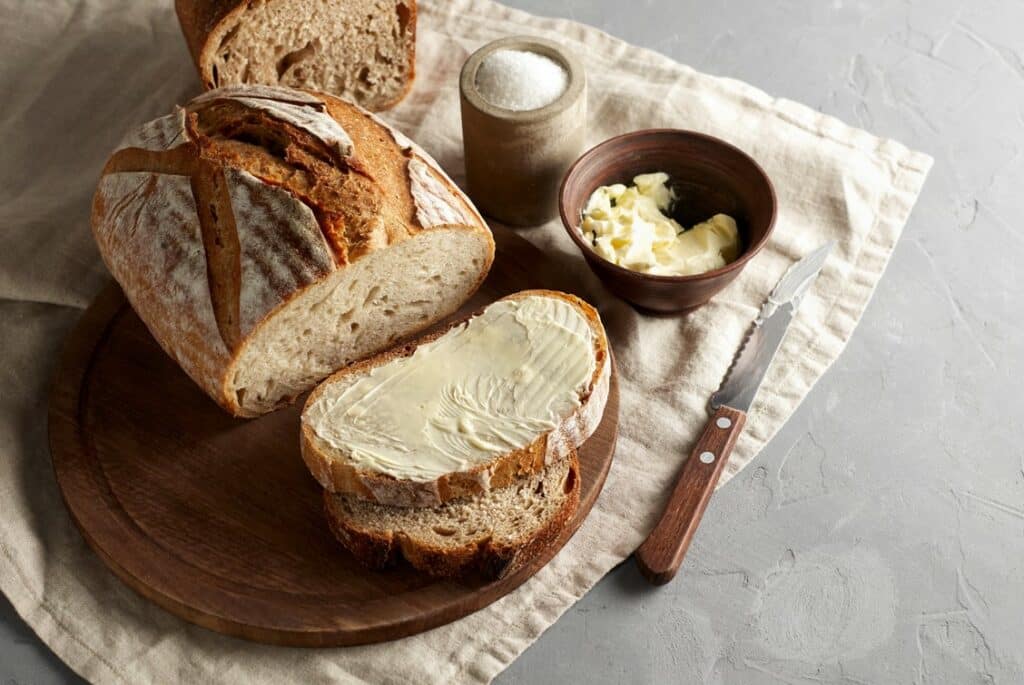
The French ideal of bread: delicious, artisanal, healthy, locally sourced, traceable, and affordable
For the French, the ideal bread is made using traditional methods and with complete transparency.
Consumers are concerned about the quality of ingredients. They look for healthy, minimally processed, and organic products. Whole-grain flour is also preferred.
Respondents also care about where ingredients come from. They value local supply chains (at the very least, French-sourced) and want ingredient traceability to be clearly stated and displayed.
For the French, bread is part of their cultural heritage. They seek out traditional products made by artisan bakers. Baking in a wood-fired oven, in full view of customers, makes the bread more appealing and helps build customer loyalty.
The lockdown has changed shopping habits. Consumers are looking for options to order online, pick up their orders via click-and-collect, and have them delivered to their homes. Food waste has also become a concern for everyone, and is even more of a priority for younger people. Retailers that implement initiatives to combat food waste, particularly through the Too Good To Go app, are preferred by those under 30.
Certifications: a guarantee of quality
Labels are perceived by consumers as a guarantee of bread quality, inspiring confidence and ensuring fair compensation for farmers (e.g., Agri Ethique). They also reassure consumers about the origin of the ingredients: for example, the “Île-de-France flour” label.
Some labels are more widely recognized by consumers. The Label Rouge is known by nearly two-thirds of respondents, and the AB label by half. However, it should be noted that the AB label is not necessarily known or sought after by French consumers, who prefer the terms “organic bread” or “biological bread.” On the other hand, three-quarters of respondents in the CRC sector are largely unaware of it .
Furthermore, consumers point out that displaying an increasing number of labels in store windows can have the opposite effect of what is intended: they may find it difficult to navigate all the labels, which can cause them concern or even deter them from the store.
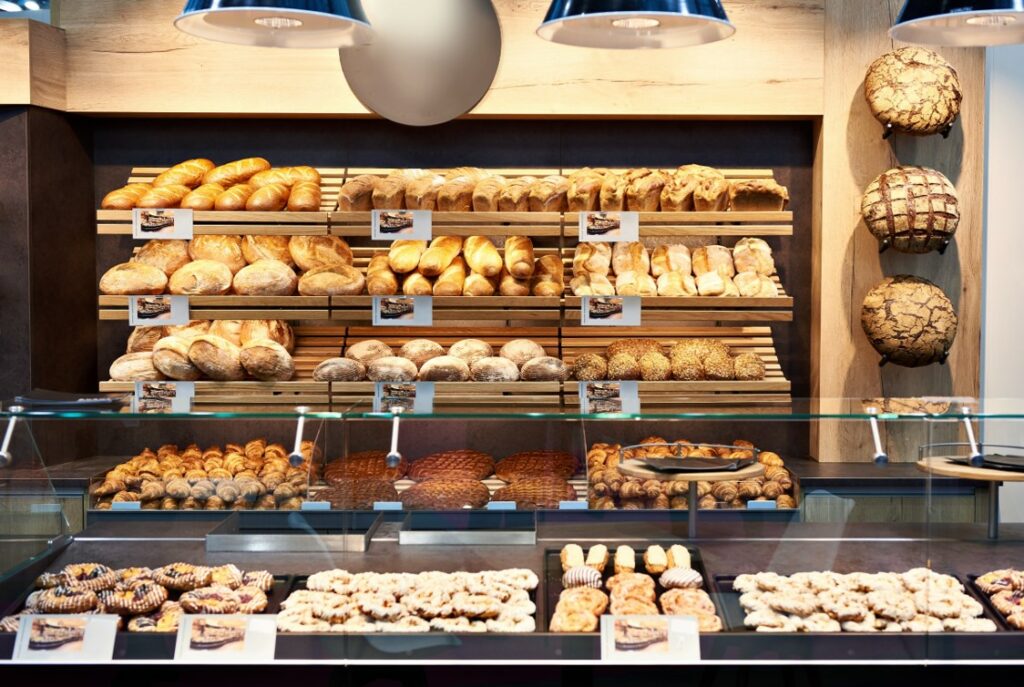
Purchasing behaviors
Although artisanal bakeries are the preferred channel for French consumers, bread purchases are still made through multiple channels. Consumers choose where to shop based on the advantages of each option.
Each bread distribution channel has its own advantages:
• At a bakery, you can buy fresh bread to eat right away. Bread from bakeries is perceived as being of higher quality. Consumers prefer independent bakeries because they trust theartisan baker and have a close relationship with the salesperson or baker.
• Chain stores are preferred for their ongoing promotions and special offers. The quality of their offerings is considered to be more consistent.
• Supermarkets: Customers are drawn to the prices, availability, and variety (specialty baked goods such as burger buns and panini bread). Consumers also appreciate the clarity of product information (posters, labels, packaging), which is considered clearer than in traditional bakeries.
Quality remains the top priority when choosing where to shop. Younger people tend to prioritize price, while older people pay more attention to how the food is prepared and cooked on-site.
Product information is the second most important factor when choosing where to shop: the origin of raw materials, ingredients, manufacturing, storage, varieties, additives, and so on.
It is clear that consumers lack knowledge about flours:
Difficulty obtaining information
It seems that the topic of flour is complex and difficult to grasp
There is an opportunity for professionals to educate people about the flours used in bread.
The Bread of Tomorrow: Several Trends
Build quality:
The bread of tomorrow will be made from high-quality ingredients that protect both consumer health and the environment:
• Organic and locally sourced ingredients, as indicated by recognized certifications
• No additives or processed ingredients
• Allergen-free and low in gluten (or even gluten-free for some)
For older adults, the bread of the future will be made more traditionally.
Diversity:
For young adults and families, the future of bread is multifaceted and diverse:
• Various formats
• Various flavors
• Different types of flour
It could be “à la carte,” meaning you can choose the type of flour, the size, the baking method, how airy you want the crumb to be, and any extra ingredients…
Availability and preservation:
Tomorrow's bread is easy to find through various channels:
• Delivery and click-and-collect
• Vending machines.
The bread of the future keeps well and freezes well.
The Bread of Tomorrow: Consumer Expectations of the Industry
Customers want their commitments of bakery professionals and greater communication between the artisan and the end consumer. In particular, they highlighted the following expectations:
• Maintain the quality of our raw materials
• Don’t be afraid to innovate
• Emphasize communication and transparency
• Improve the sales areas (product visibility, clear signage, view of the bakery)
• Diversify the product range
• Commit to environmental responsibility
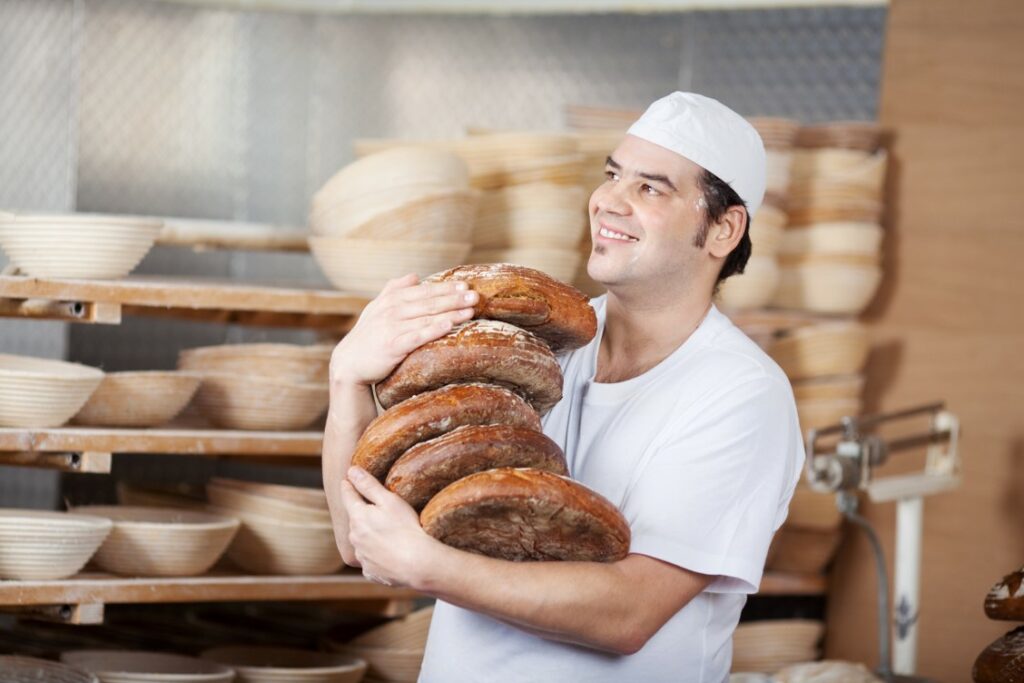
How can you apply the findings of this study to your bakery?
After reviewing this study, you can implement certain measures in your business to invest in the future and adopt a sustainable approach:
• Update your offerings regularly with new and original products
• Communicate about the selection of ingredients
• Promote French, organic, and locally sourced products local supply chains
• Arrange the space so that customers can see into the bakery
• Set up a click-and-collect service and form partnerships with organizations dedicated to social good or committed to the fight against food waste (Les Restos du Cœur, Too Good to Go…)